
How Do I Choose a Modern Dress I Will Actually Wear?
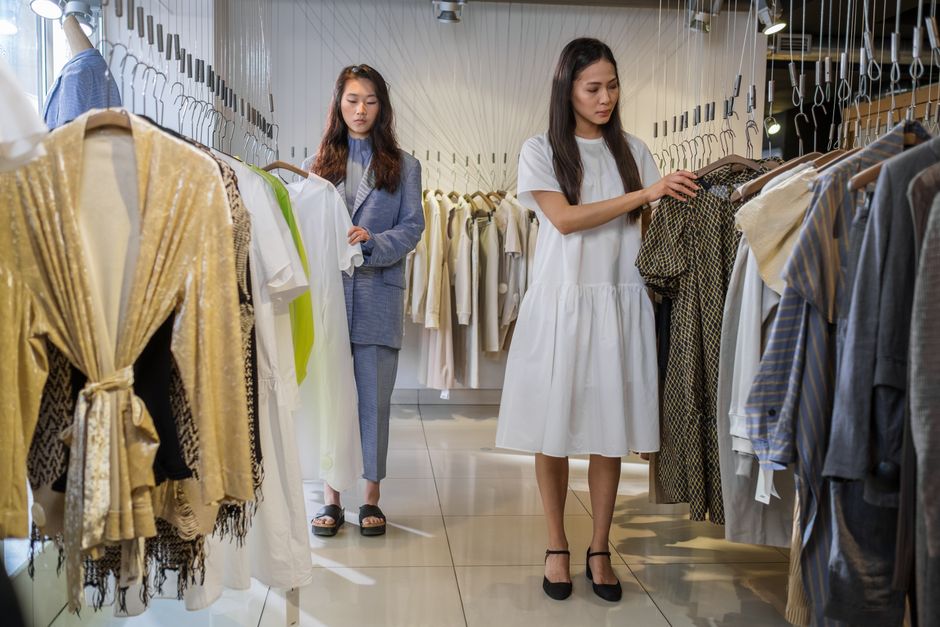
Choose a modern dress by giving trend details a routine job before you buy: name the places you will wear it, the layers and shoes it works with, and at least two pieces already in your wardrobe. For 2026, a relaxed drop waist, practical jersey or nylon, or a lace-trim detail offers more repeat potential than an occasion-only statement.
That test matters because dresses are especially vulnerable to becoming wardrobe spectators. WRAP's UK clothing research found that 43% of owned dresses had not been worn in the previous year, with occasion-only use the dominant reason. The goal is not to avoid fashion. It is to make the fashion earn its hanger space.
Which dress trends for 2026 can I wear beyond a special event?
The most reusable 2026 dress trends are relaxed drop waists, clean T-shirt dresses, lace trims, and dresses in movement-friendly jersey or nylon because each can be redirected with familiar styling pieces. Buy the version that needs the least explanation from your wardrobe. A dress that works only with its original display styling is a warning sign.
Vogue's spring 2026 report identifies the return of drop-waisted dresses and full-skirted robe de style silhouettes, alongside uniform dressing and functional work references. It also notes designers using jersey and nylon to balance control and release. Translate that runway language into a simple rule: choose a silhouette with room to move, then ground it with pieces you already wear on ordinary days.
| Trend detail | Make it everyday | Check before buying |
|---|---|---|
| Drop waist | Add flats, sneakers, or a familiar knit layer | Can you sit, walk, and layer without the waistline shifting awkwardly? |
| Lace trim | Use a cardigan, jacket, trousers, or flat shoes for contrast | Does the trim feel like one detail rather than the entire outfit? |
| Clean T-shirt dress | Change the shoes: sandals or sneakers for day, dressier sandals for dinner | Does the fabric hold its shape through your usual schedule? |
| Colorful satin | Dress it down with simple flat footwear; reserve strappy sandals for evening | Can the color work with your existing outerwear? |
Who What Wear's summer 2026 roundup specifically calls out elevated T-shirt dresses and colorful satin dresses as adaptable options. The useful distinction is not “casual” versus “dressy.” It is whether one swap, such as footwear, changes the dress's job.
Are drop-waist dresses flattering or hard to style?
Drop-waist dresses are not inherently hard to style; they are easiest when you judge the full proportion instead of demanding that the waistline perform like a fitted waist. The silhouette moves the visual break lower on the body, so the hem length, shoulder line, and shoes do more of the balancing work.
Run the Three-Point Fit Check in the fitting room. First, sit and walk normally. Second, add the jacket or knit you would actually wear. Third, try the shoes that represent your real week, not a hypothetical event. If the dress only works standing still, bare-armed, and in unfamiliar shoes, it is not a versatile purchase.
Keep the rest of the outfit calm. Vogue's fall/winter 2026 coverage describes wardrobe staples transformed through layered basics and unexpected accessories, while also pointing to softened structure in power dressing. For a casual office, that means a drop-waist dress can work with a simple layer and a familiar shoe rather than a full set of trend pieces. One expressive element is enough.
Weak test: “Could this look good at a dinner?” Strong test: “Could this work for a commute, a desk, and an unplanned stop afterward?” The second question reduces the odds of buying an occasion costume.
How do I make a lace slip dress appropriate for daytime?
Make a lace slip dress daytime-appropriate by adding contrast: layer it over trousers or jeans, choose flats, and use an everyday outer layer. The point is not to hide the lace. It is to give the lace a supporting role.
This is a trend with evidence behind it. Vogue reports that Heuritech projects social-media visibility of fine-lace dresses to rise 54% from fall/winter 2025 to fall/winter 2026. The same report says 31% of lace-trim dresses stocked in stores sold out, framing lace trim as a viable detail rather than only occasionwear. Who What Wear documents the clearest daytime formula: layer a lace-trim dress over jeans or trousers and add flats.
- Start with one soft detail. Choose lace trim, not necessarily lace from neckline to hem.
- Add an anchor piece. Use straight trousers, jeans, a cardigan, or a simple jacket to lower the lingerie effect.
- Finish with a daytime shoe. Flats make the contrast immediate; familiar sandals or sneakers can do the same job when the dress shape allows.
Use the Two-Context Rule: before buying, style the dress once for daylight and once for dinner using only what you own. If both outfits need separate purchases to work, the dress is not yet a low-effort wardrobe tool. This is the same practical question behind broader debates about novelty and daily usefulness in Will Robots Make Life Better or Worse for Most People?: newness is not automatically value; usable integration is.
Make the Cost-Per-Wear Decision
Cost per wear is a planning tool, not a promise. Divide the dress price by the number of wears you can realistically name. Do not count a vague future occasion. Count the workday, weekend, travel day, casual dinner, and layered-season version you can describe now.
The Ellen MacArthur Foundation estimates that some garments are discarded after only seven to ten wears and identifies durability, repair, and design flexibility as traits that help clothing stay useful longer. WRAP's research adds a concrete repair case: on average, a repair added 1.3 years to a garment's life. Check seams, closures, lining, care instructions, and whether a small repair would keep the dress in rotation.
Do this before checkout: write down five likely wears. Then write the shoes, layer, and bag for each. If the list repeats the same special event five times, leave the dress behind. If it covers a normal week, a weekend, and a dinner without requiring a new supporting cast, it has passed the test.
Frequently Asked Questions
What modern dress styles work for a casual office?
Clean-lined T-shirt dresses with a cinched waist or tie detail are a practical casual-office option, especially with polished flats or simple sneakers. A relaxed drop-waist dress can also work when the hem, fabric, and layering feel deliberate: add a cardigan, structured jacket, or familiar flat shoe rather than treating it as an event look.
Which dress fabrics and silhouettes will still look current next season?
No source can guarantee what will look current next season, but spring and fall/winter 2026 coverage points to drop waists, softened structure, layered basics, lace details, and practical jersey or nylon. The safer repeat-wear choice is not a prediction; it is a dress whose fabric, fit, and styling options already work across several parts of your week.